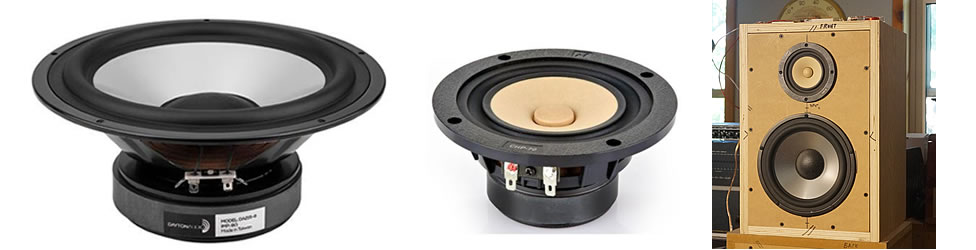
NM-2 (Natural Music)
Mark Audio CHP-70 Gen2 with Dayton DA215-8
The first time I worked on this Mark Audio CHP-70 was in Feb 2020. I tried her with various tweeters with the aim of sweetening the treble but I was never satisfied with the results. I eventually abandoned that idea and moved on to other drivers. Fast forward to 2024. Since I’m working on the concept of using a full range supported by a woofer, it’s a good time to try out my CHP-70 again.
The NM-2 mates two budget priced drivers, a Mark Audio CHP-70 with a Dayton DA215-8. Can this CHP-70 deliver the sound quality I’m after?
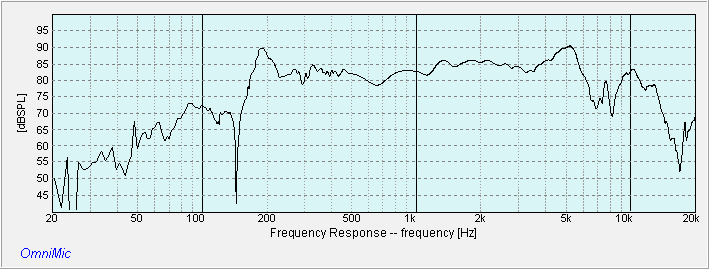 Fig 1 – Mark Audio CHP-70 Gen2 RAW Response • 3 Liters Sealed Box Fig 1 – Mark Audio CHP-70 Gen2 RAW Response • 3 Liters Sealed Box
In my previous work with the CHP-70 (Fig 1), I found the Baffle Step to be quite severe. If nothing is done to correct this, the music will be unbearable. This is the greatest challenge working with the CHP-70.
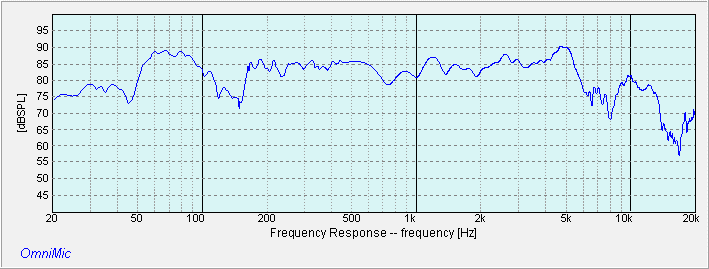 Fig 2 – MN-2 Frequency Response (CHP-70 Gen2 with DA215-8) Fig 2 – MN-2 Frequency Response (CHP-70 Gen2 with DA215-8)
Fig 2 is the frequency response of the CHP-70 with the Dayton DA215-8. The response is not as flat as I would like but after numerous attempts, this is the most “musical”.
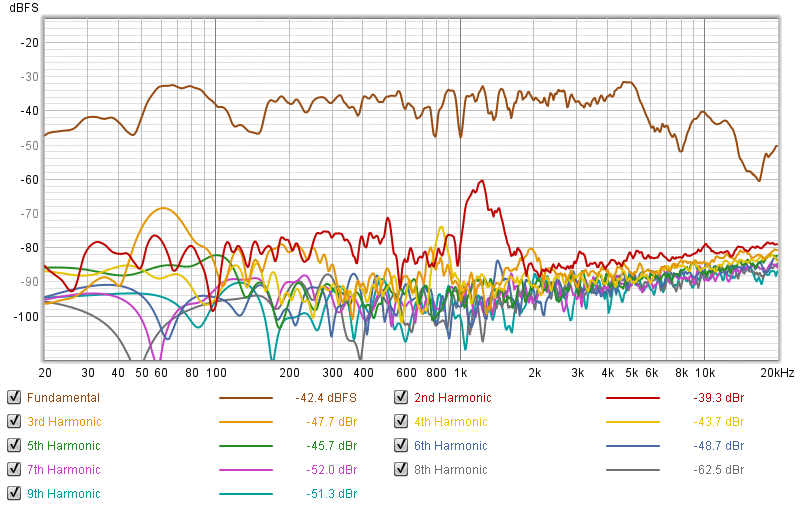 Fig 3 – NM-2 Harmonic Distortion Fig 3 – NM-2 Harmonic Distortion
The Harmonic Distortion of the NM-2 is not something you see everyday (Fig 3). All the harmonic distortions are low except for a peak at 1.2kHz. There’s nothing I can do about it as it’s inherent in the CHP-70. The fortunate part is it’s 2nd harmonic and inaudible during auditioning.
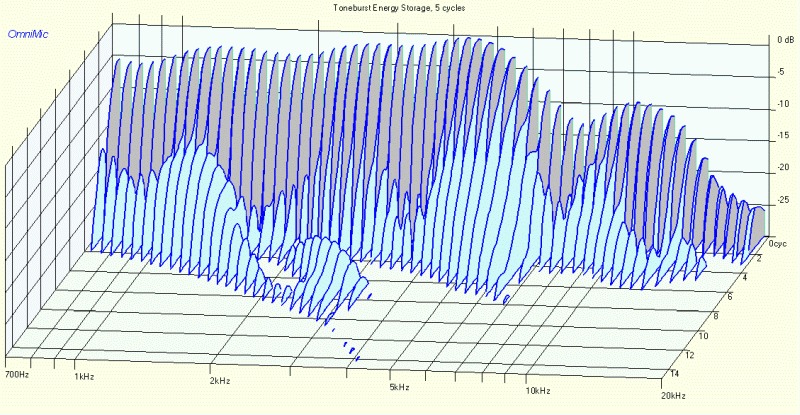 Fig 4 – NM-2 Toneburst Energy Storage Fig 4 – NM-2 Toneburst Energy Storage
The Toneburst plot in Fig 4 doesn’t flag anything unusual. I wouldn’t be too concerned with the excess energy (light blue slices) from 2kHz onwards. It is the ones at 1kHz.
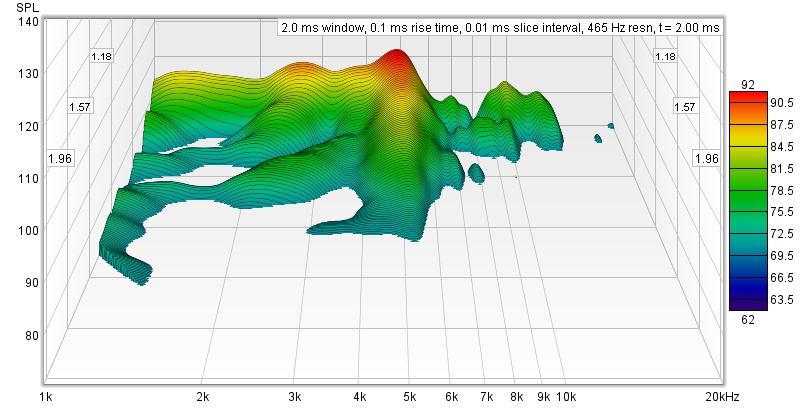 Fig 5 – NM-2 Waterfall Fig 5 – NM-2 Waterfall
The Waterfall plot (Fig 5) does show there are more artifacts compared to the Tang Band W5-2143. Whether this is audible remains to be seen.
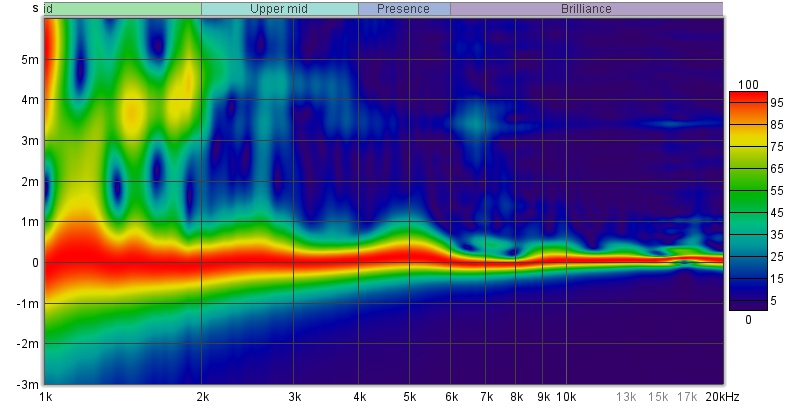 Fig 6 – NM-2 Spectrogram Fig 6 – NM-2 Spectrogram
The 2D Spectrogram in Fig 6 gives the best indication of what is happening. The streaks from 1kHz~2.5kHz are a bit concerning. Most of them dissipate by 6ms. Hopefully, they are benign.
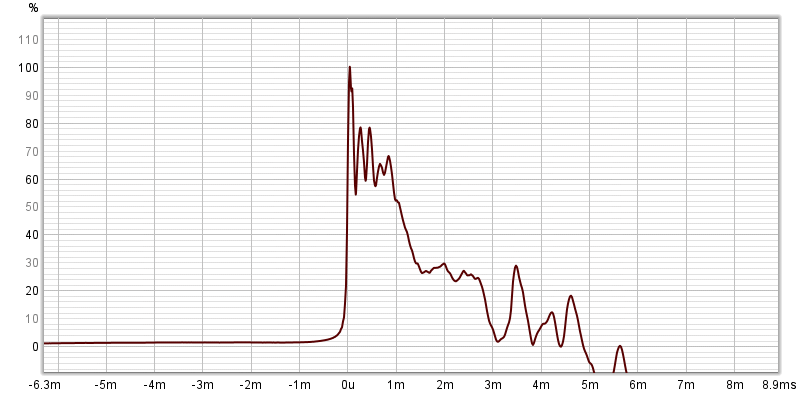 Fig 7 – NM-2 Step Response Fig 7 – NM-2 Step Response
The Step Response in Fig 7 is the CHP-70 with the Dayton DA215-8. This is what the NM-2 is all about. Note how close the woofer is to the full range.
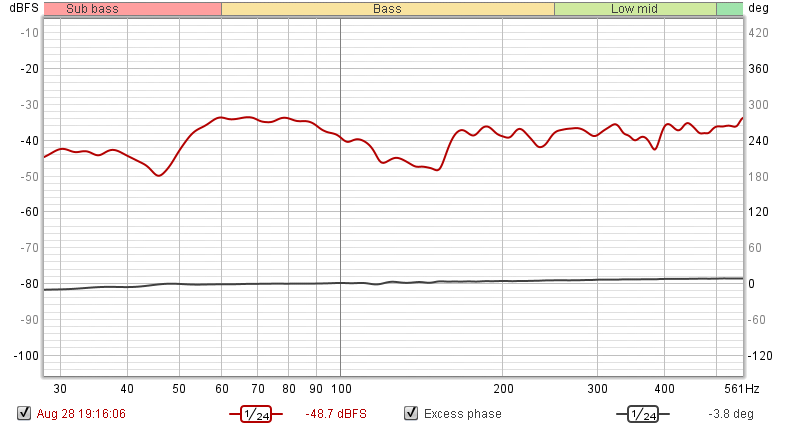 Fig 8 – NM-2 Excess Phase Fig 8 – NM-2 Excess Phase
The Excess Phase plot (Fig 8) is impressive. It is almost flat (0 degrees) in particular the bass region (30Hz~100Hz).
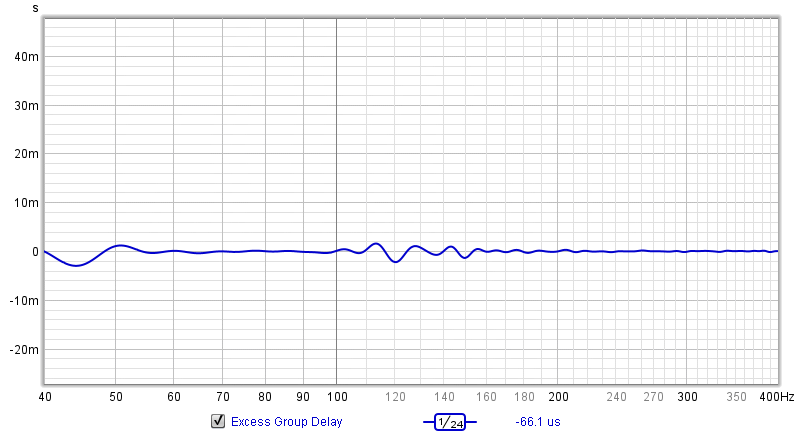 Fig 9 – NM-2 Excess Group Delay Fig 9 – NM-2 Excess Group Delay
The Excess Group Delay (Fig 9) shows only -66.1us. Together with the Excess Phase (Fig 8) and Step Response (Fig 7), they indicate the bass does not lag the midrange.
Summary
The idea behind using a woofer to assist a full range is not simply to add bass. That is the easy part. What I want is to align the bass with the rest of the music. When that is accomplished, the music sounds the most natural.
To do that, I had to resort to 1st order filters but that brought on a host of other issues. It is much more complicated than just slapping on a capacitor and an inductor. I felt like I was shooting in the dark. In the end, I had to rely on my ears to find the best sound.
I’m proud to say the NM-2 is one of my designs where the music sounds real. Listen to Santana Corazon Saideira (Spanish version). The band is “one”. If you are a musician, you’ll know what I mean.
All this with two budget drivers. The Mark Audio CHP-70 cost only $36 while the Dayton DA215-8 is at $50. Incredible performance for very little money.
Unless otherwise stated, all measurements were made in Full Space (4pi). Mic at 36 ins, tweeter axis. Impulse Window=5ms. No smoothing applied. |