NM-3 (Natural Music)
Dayton CX120-8 Coaxial with Dayton DA215-8
The NM-3 differs from the previous ones in that she doesn’t use a fullrange driver. Instead, a 4″ Dayton CX-120-8 coaxial takes care of the mids and highs.
Initially, I was hesitant to try this out because having worked on the CX120-8 before, I wasn’t too impressed with the response. It was too uneven for my liking.
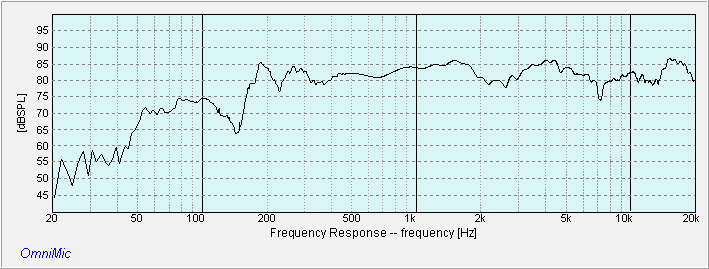 Fig 1 – Dayton CX120-8 with Tweeter Response Fig 1 – Dayton CX120-8 with Tweeter Response
Fig 1 is the Frequency Response of the CX120-8 in a sealed box with a baffle width of 8″. Vocals can end up “Shouty”. Higher up, treble will be emphasized, resulting in brittleness.
 Fig 2 – MN-3 Frequency Response (Dayton CX120-8 with DA215-8) Fig 2 – MN-3 Frequency Response (Dayton CX120-8 with DA215-8)
After numerous adjustments to the crossovers, I finally settled on the above response (Fig 2). This is the CX120-8 Coaxial with bass support from Dayton DA215-8.
Taking 90dB as the reference, the response is generally flat from 60Hz~1.5kHz. The all important midrange is not peaky like in Fig 1. In the upper mids, there’s a dip at about 2.5kHz~3kHz. This is from the CX120 woofer. Fortunately it works out in our favor. A dip at this frequency is more pleasing to the ears (BBC DIP?). After that, the treble rolls of linearly from 5kHz onwards.
 Fig 3 – NM-3 Harmonic Distortion Fig 3 – NM-3 Harmonic Distortion
The Harmonic Distortion (Fig 3) of the CX120 is much better than in the CHP-70. Absent is the high 2nd harmonic peak at 1.2kHz. Ignore the plots below 800Hz. They include my room reflections.
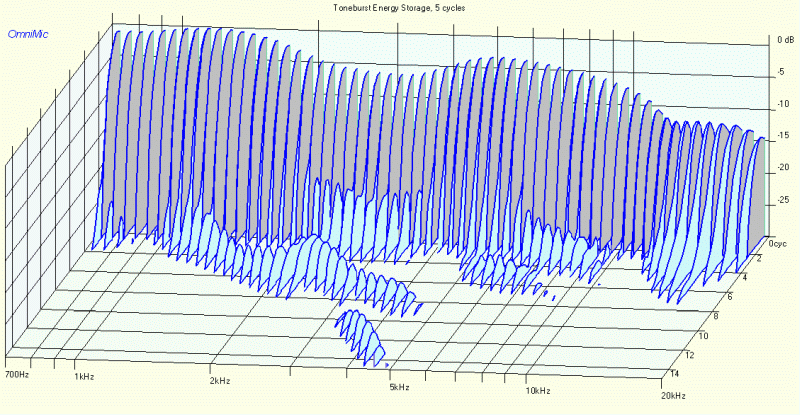 Fig 4 – NM-3 Toneburst Energy Storage Fig 4 – NM-3 Toneburst Energy Storage
The Toneburst plot in Fig 4 shows the CX120 has less excess energy (light blue slices) than the Mark Audio CHP-70. This is a pleasant surprise. It’s good to see the treble from 5kHz~20kHz did not exhibit large stored energy.
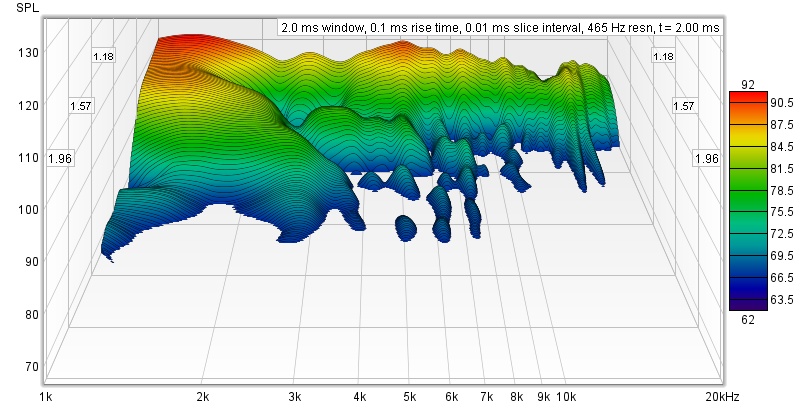 Fig 5 – NM-3 Waterfall Fig 5 – NM-3 Waterfall
We can see from the Waterfall plot (Fig 5) the artifacts in the treble. Though they are recorded, they die out pretty soon.
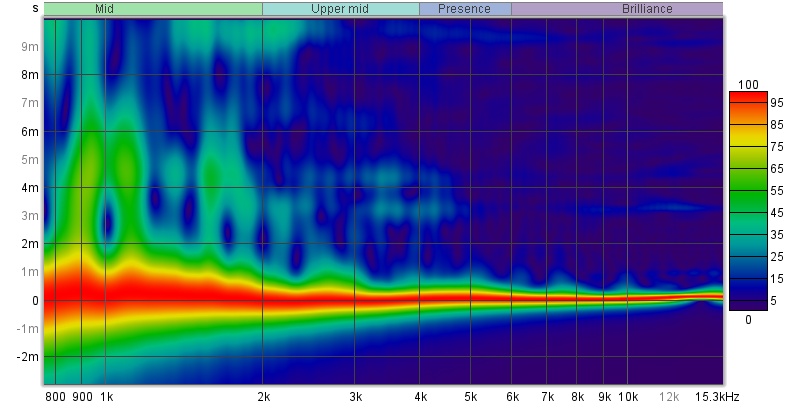 Fig 6 – NM-3 Spectrogram Fig 6 – NM-3 Spectrogram
Compared to the NM-2, the Spectrogram in Fig 6 shows less streaks from 800Hz~2kHz. In the treble, the artifacts don’t even last 1ms.
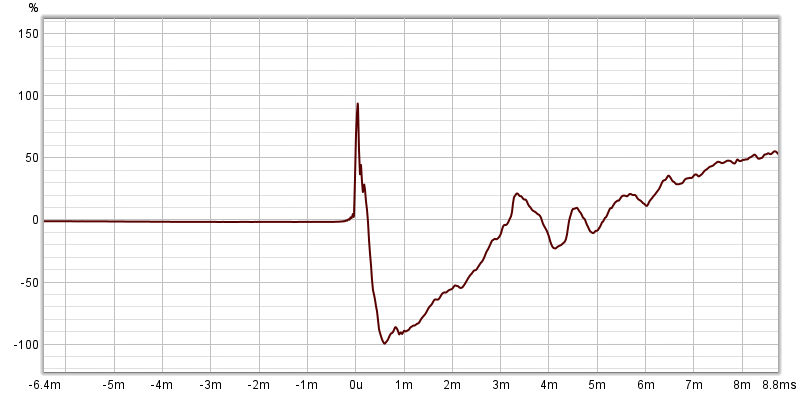 Fig 7 – NM-3 Step Response Fig 7 – NM-3 Step Response
The Step Response in Fig 7 is the CX120-8 CoAx with the Dayton DA215-8. I’m relieved to see the CX120 step is unaffected by the bass woofer.
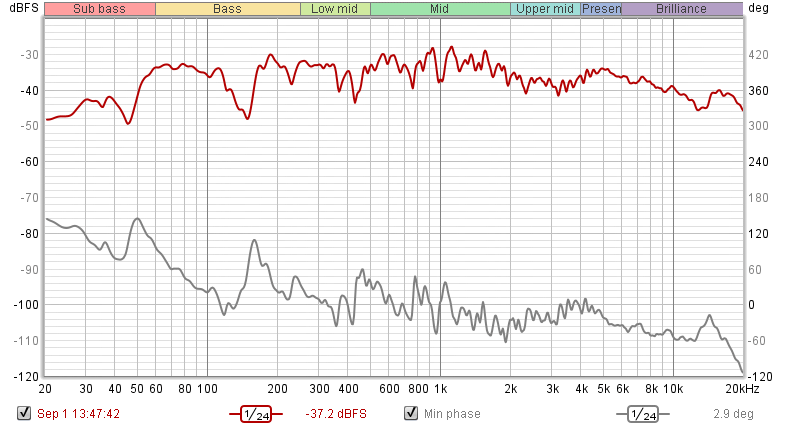 Fig 8 – NM-3 Minimum Phase Fig 8 – NM-3 Minimum Phase
The Minimum Phase plot shows the phase from 300Hz~4kHz is generally along the 0 degrees.
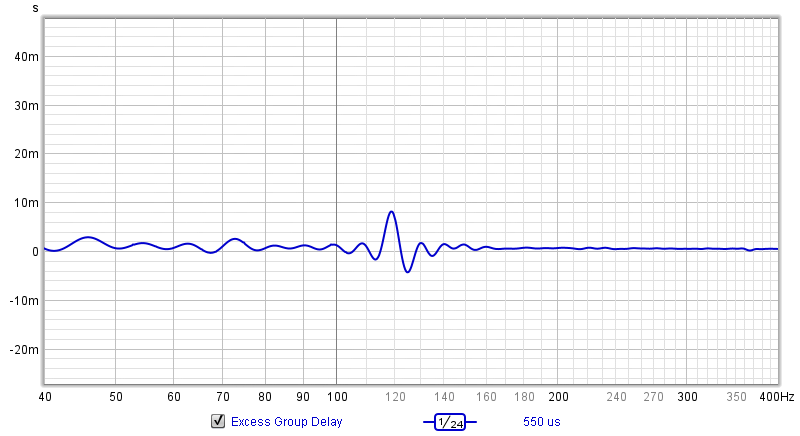 Fig 9 – NM-3 Excess Group Delay Fig 9 – NM-3 Excess Group Delay
The Excess Group Delay (Fig 9) shows only 550us. Considering the NM-3 uses an 8″ woofer, it’s more than acceptable.
Summary
I’m surprised by the performance of the Dayton CX120-8. For $33, she exceeded my expectations. Her midrange is smoother than the CHP-70. This leads to a more relaxing listening experience.
The NM-3 is finely tuned to ensure that the vocals are slightly forward. Despite this, the bass is clearly heard and doesn’t over-power the voices.
The NM-3 is a very “fast and lively” speaker. One cannot help but be drawn into her music.
Unless otherwise stated, all measurements were made in Full Space (4pi). Mic at 36 ins, tweeter axis. Impulse Window=5ms. No smoothing applied. |
