Finch-IIA
Wavecor TW030WA12 with HiVi F8
The Finch-IIA is a complete departure from the minimalist Finch-II in that she no longer uses 1st order networks. The objective now is to suppress the cone breakup peak in the HiVi F8 as much as possible. That is the biggest hurdle when trying to use an 8″ woofer in a 2-way.
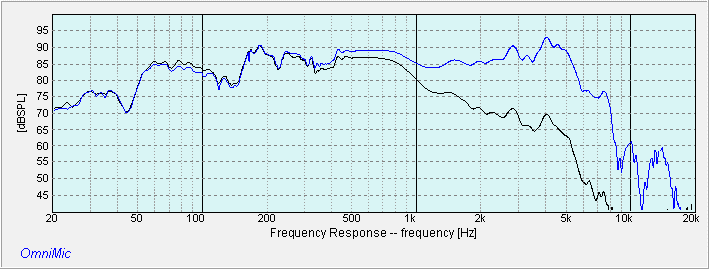 Fig 1 – HiVi F8 RAW (Blue) with 12dB Low Pass Filter (Black) Fig 1 – HiVi F8 RAW (Blue) with 12dB Low Pass Filter (Black)
The Black plot in Fig 1 is the frequency response of the HiVi F8 with a 2nd order network tweaked to suppress the offending cone breakup. Compared to the RAW response (Blue plot), the 4kHz peak is -25dB lower now.
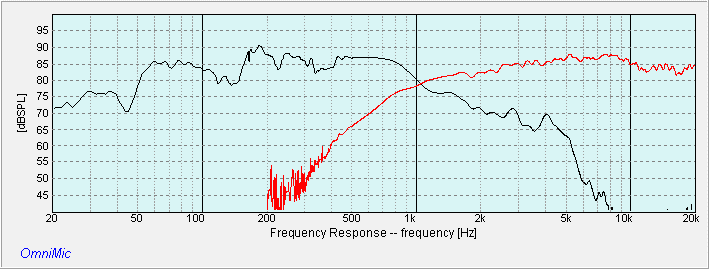 Fig 2 – HiVi F8 Low Pass with Wavecor TW030 High Pass Fig 2 – HiVi F8 Low Pass with Wavecor TW030 High Pass
Fig 2 are the two plots showing where the two drivers are crossing acoustically. The 4kHz peak of the F8 is -15dB below the tweeter. This is enough to prevent the peak from interfering with the treble.
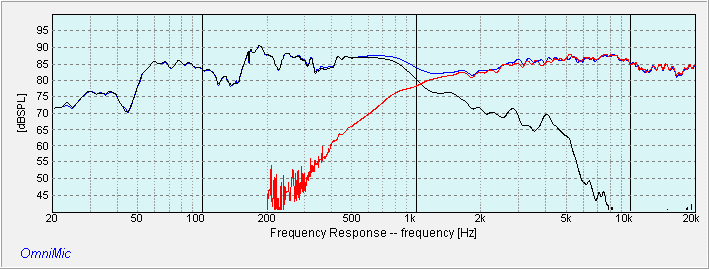 Fig 3 – Finch-IIA Summation Fig 3 – Finch-IIA Summation
The Blue plot (Fig 3) is the final frequency response. In the summing region (700Hz~2kHz), no cancellations are observed. Farther up, there are no interference in the treble at 3kHz and 4kHz.
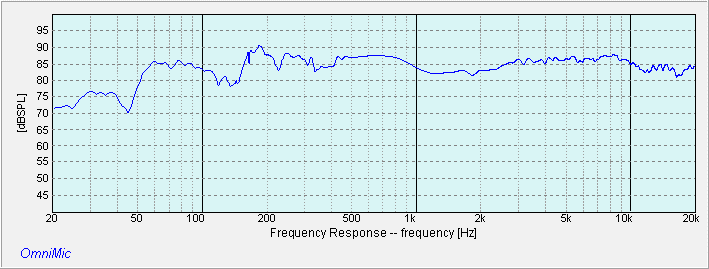 Fig 4 – Finch-IIA Frequency Response Fig 4 – Finch-IIA Frequency Response
Fig 4 is the final frequency response of the Finch-IIA. There is a slight broad depression from 1kHz~3kHz which actually works to my advantage. If it had been flat, the vocals will sound too forward.
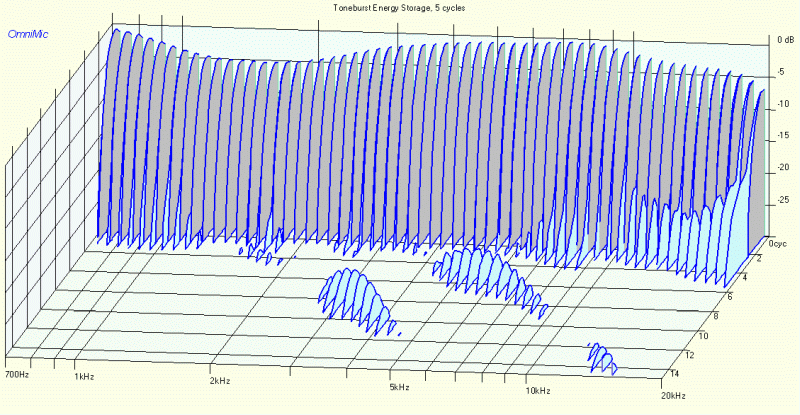 Fig 5 – Finch-IIA Toneburst Energy Storage Fig 5 – Finch-IIA Toneburst Energy Storage
The Toneburst plot (Fig 5) shows what the Finch-IIA is all about. There is hardly any stored energy from 700Hz to 20kHz. This proves the cone breakup of the F8 is no longer causing any artifacts at 4kHz.
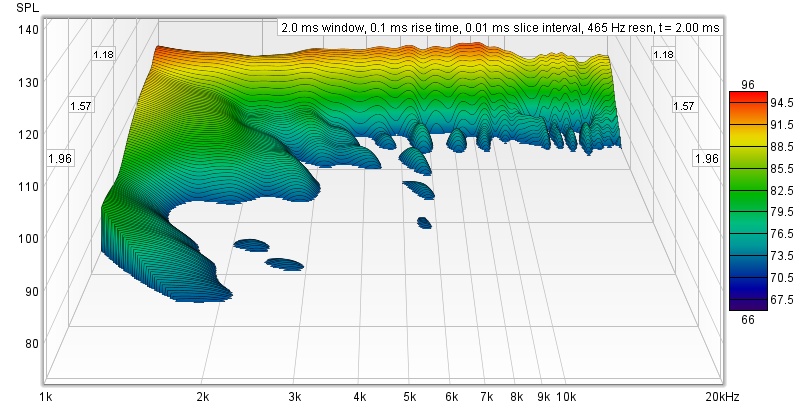 Fig 6 – Finch-IIA Waterfall Fig 6 – Finch-IIA Waterfall
The Waterfall plot (Fig 6) is quite a remarkable. There are no meaningful artifacts from 2kHz upwards. Rarely do I see such a clean treble.
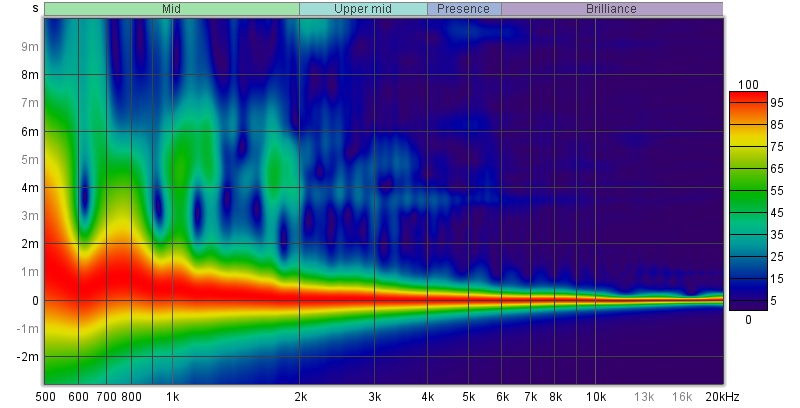 Fig 7 – Finch-IIA Spectrogram Fig 7 – Finch-IIA Spectrogram
As expected, the Spectrogram in Fig 7 shows no artifacts from 2kHz upwards. There are some green streaks from 700Hz~2kHz but they are dissipated by 7ms.
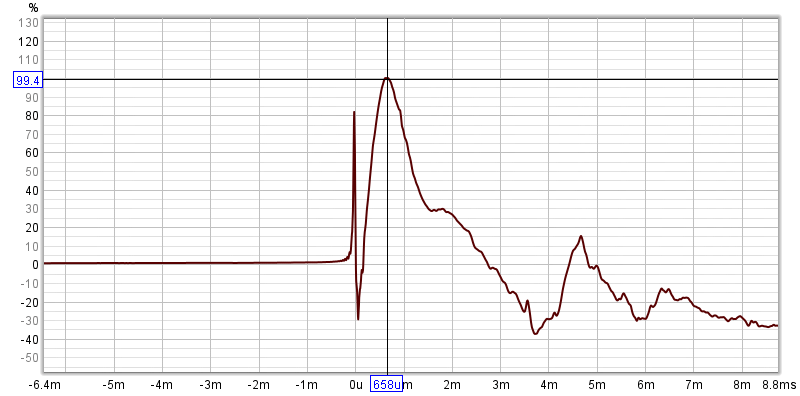 Fig 8 – Finch-IIA Step Response Fig 8 – Finch-IIA Step Response
Fig 8 is the Step Response of the Finch-IIA. It is actually quite impressive considering I’m using 2nd order networks with no tilting of the front baffle to align the acoustic centers of the two drivers. The peak of the F8 is at 658us which is quite acceptable. What I like about this Step is the smooth attack and decay of the F8.
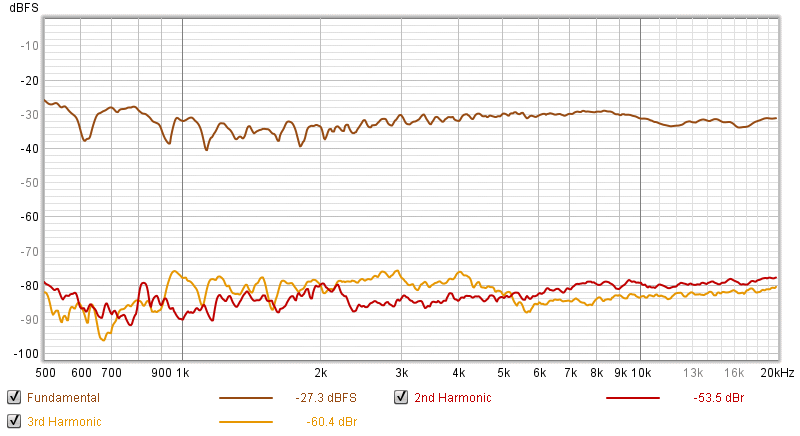 Fig 9 – Finch-IIA Harmonic Distortion Fig 9 – Finch-IIA Harmonic Distortion
Fig 9 is the Harmonic Distortion of the Finch-IIA. Suppressing the 4kHz peak of the HiVi F8 lowered the 3rd harmonic to -60.4dBr. This has a direct impact on the sound quality.
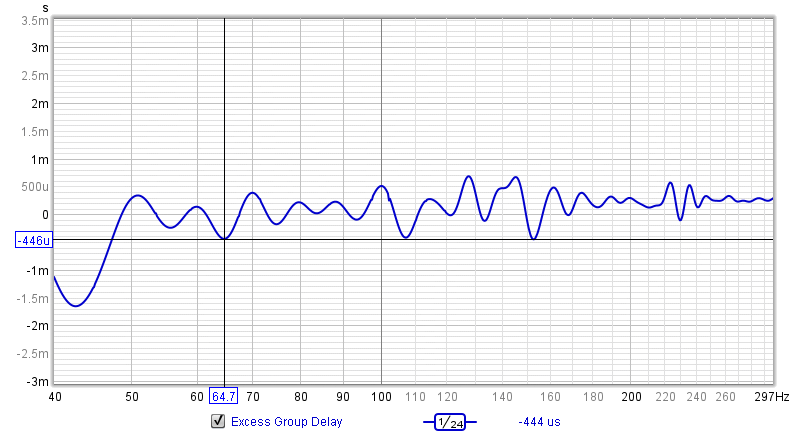 Fig 10 – Finch-IIA Excess Group Delay Fig 10 – Finch-IIA Excess Group Delay
The Finch-IIA Excess Group Delay is in Fig 10. The positive and negative peaks are about 500us. This is close to the time for the F8 to hit the peak in the Step response.
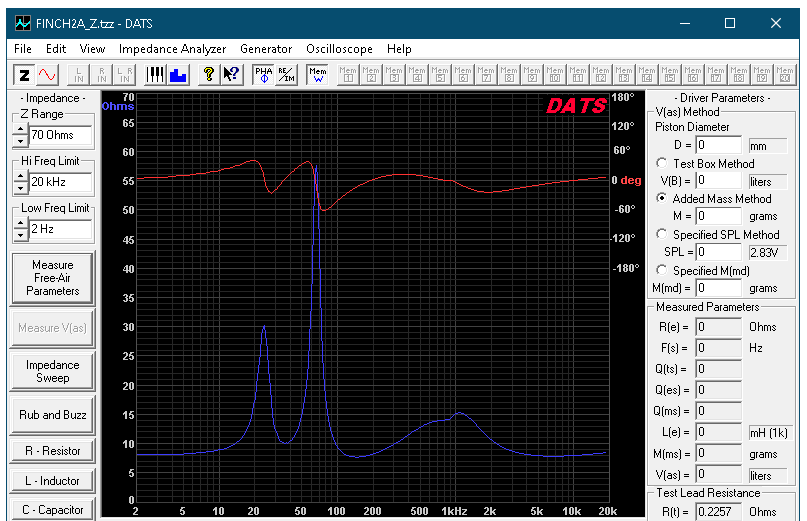 Fig 11 – Finch-IIA Impedance Fig 11 – Finch-IIA Impedance
The Finch-IIA is an easy load for modern power amplifiers. Her nominal impedance is 8Ω. Bass reflex port tuning is at about 37Hz.
Is the Finch-IIA better than the Finch-II?
The short answer is YES!
I’ll start with the midrange. The vocals and saxophones in particular don’t shout at you. That’s due to the flatness in the midrange. Apart from that, the addition of a Baffle Step Compensation (BSC) network prevented the vocals from being “in your face”. Through careful adjustments, the vocals receded back into the stage but are not lost in the music. In fact, the layering in the voices are clearly heard.
Next is the treble. The Wavecor TW030WA12 is one of best I’ve ever tested. With ordinary tweeters, I will know when they come on. Not with this Wavecor. She’s invisible. Her treble is there, all the way to 20kHz but she’s so smooth that you won’t know there’s a tweeter working. More than that, the presence in the vocals and instruments sounds natural.
The bass is clearly audible after I added the BSC network. She doesn’t have the fast attack of the NM-1 because I crossed her high to a tweeter. However, her bass does exhibit detail and clarity unlike other 8″ in her price bracket.
Overall, I’m very pleased with the Finch-IIA. This speaker sounds very refined. Ideal for HiFi. Kenny G fans will love this Finch-IIA.
Unless otherwise stated, all measurements were made in Full Space (4pi). Mic at 36 ins, tweeter axis. Impulse Window=5ms. No smoothing applied. |
