Spice – Peavey CS800 (1976)
Fig 1 is the DC Spice simulation of the CS800 circuit. I stripped away all the other components, leaving only the basic typology. This will make the circuit easier to digest. Notice the op-amp drives the base of a transistor with a collector load of 1k. This can be viewed as one half of an input differential. Standing current is about 1mA which is just right of this stage. In the VAS, a current source at the top guarantees 4.5mA flowing through. A triple Darlington output will not load the VAS so 4.5mA is enough.
Fig 2 is the transient analysis of the CS800. Gain is set at 31x. A 1.5V input results in a 100V peak to peak output into 8Ω. Summary Considering this circuit appeared in 1976, it is quite innovative. The original op-amp was a 4558, awfully “slow” by today’s standards. As with designs using op-amp front end, the sound of the amplifier will be dominated by the op-amp. A good replacement would be a 5534. The CS800 will sound much better. In this Spice sim, I did away with the Quasi outputs. There is no reason not to use Full-Complementary as complementary transistors are plentiful nowadays. Also, astute readers will notice another feedback apart from the main Negative Feedback (NFB). This is a 4.7k resistor from the output to the emitter of the input transistor. The amount of feedback is tiny though. Whether it improves the performance of the amplifier or adds better stability is something I need to investigate during prototyping. |

September 19, 2025Amplifiers, Electronics
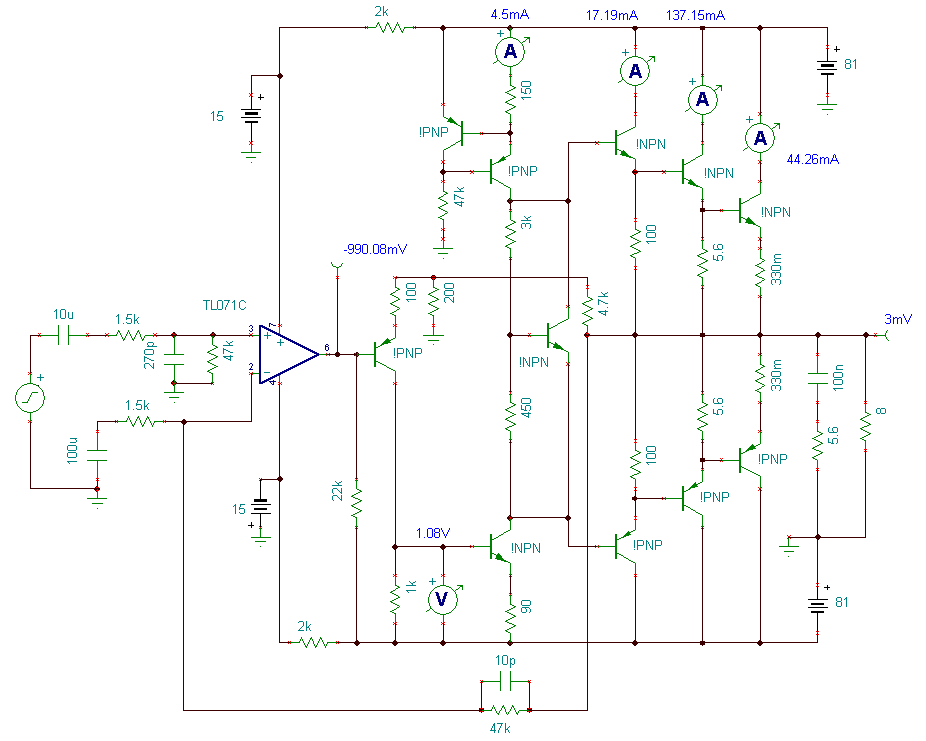
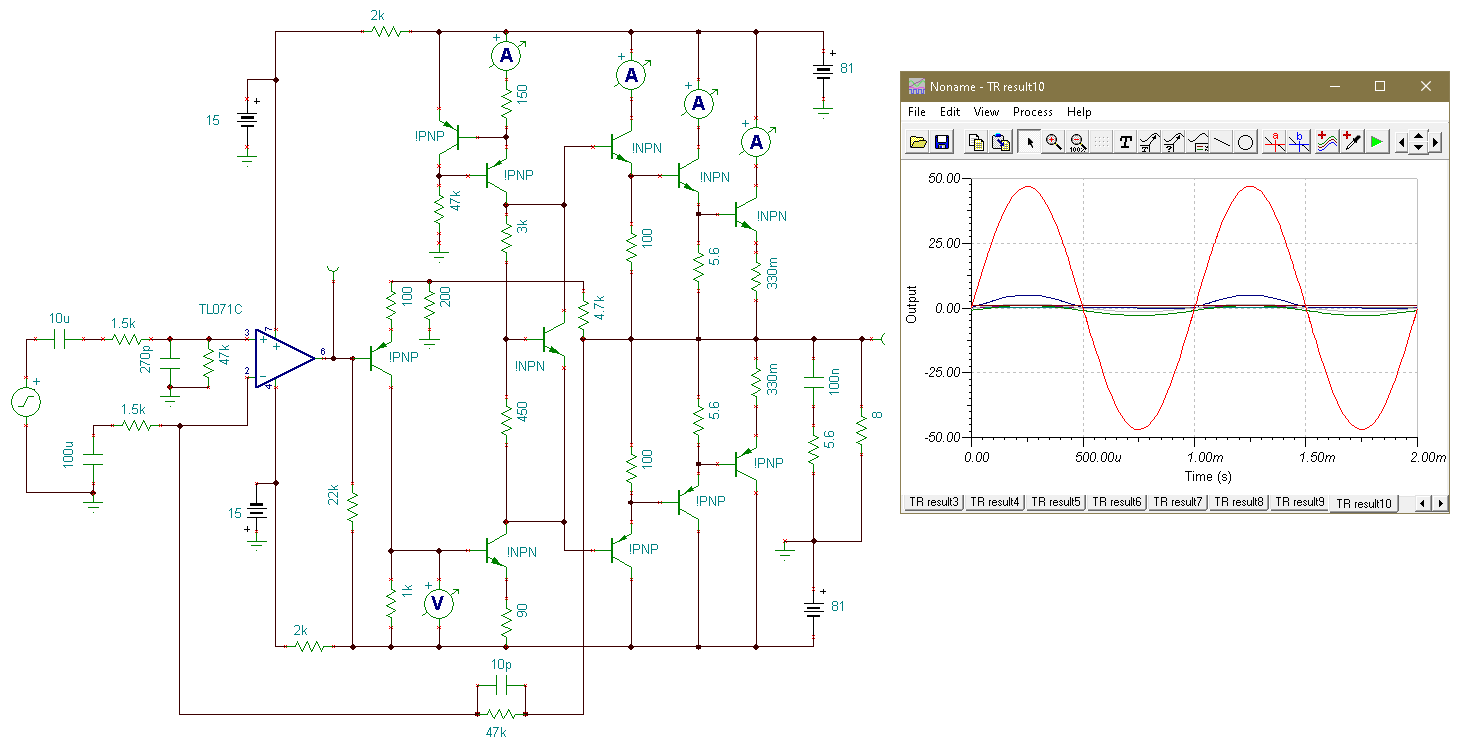 Fig 2 – Spice Transient Simulation @ 1kHz into 8Ω